

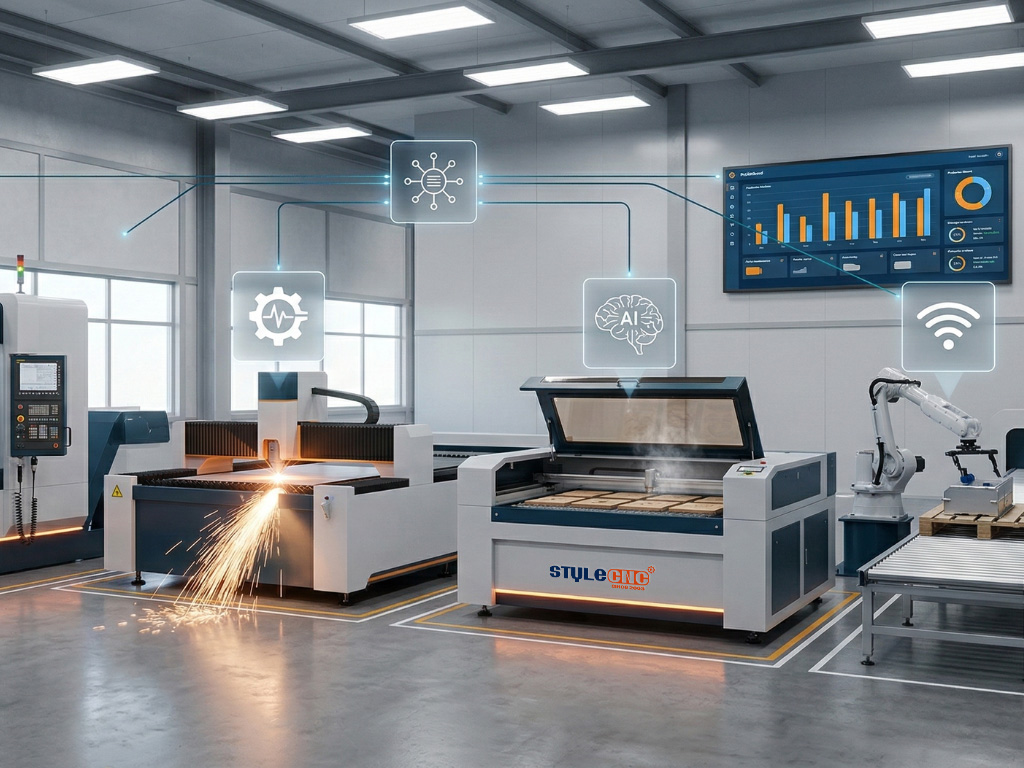
Modern industries are evolving rapidly as digital technologies merge with advanced manufacturing systems. Businesses today demand higher precision, faster production, and more user-friendly machine control systems. Two essential elements driving this transformation are CNC Engraving and Interface Design, which together improve both production accuracy and operator experience.
Understanding CNC Engraving
CNC Engraving is a computer-controlled manufacturing process used to carve, etch, or mark designs onto different materials such as metal, wood, plastic, and acrylic. This technology uses programmed instructions to guide cutting tools with extreme precision.
The importance of CNC Engraving lies in its ability to deliver highly accurate and repeatable results. Unlike manual engraving, CNC systems eliminate human error and ensure consistent quality even in large production runs.
This process is widely used in industries such as manufacturing, branding, electronics, automotive, and construction. It is commonly used for product labeling, serial number marking, decorative designs, and industrial identification.
One of the key advantages of CNC engraving is flexibility. Designers can easily create digital models and transfer them directly to machines for production, saving both time and cost.
Understanding Interface Design
Interface Design refers to the process of creating user-friendly digital systems that allow people to interact with machines, software, or devices easily and efficiently. It focuses on layout, usability, clarity, and overall user experience.
The role of Interface Design is essential in modern industrial systems because operators depend on clear controls and intuitive dashboards to manage complex machines like CNC equipment.
A well-designed interface reduces errors, improves productivity, and allows users to operate machines with minimal training. It bridges the gap between human input and machine output.
In industrial environments, interface design is not just about appearance—it is about functionality, efficiency, and safety.
The Connection Between CNC Engraving and Interface Design
The integration of advanced machining and digital user experience creates a more efficient and productive manufacturing environment. When CNC Engraving systems are paired with strong interface design, machine operation becomes simpler, faster, and more accurate.
Modern CNC machines rely heavily on digital interfaces where users input designs, adjust settings, and monitor progress. A well-structured Interface Design ensures that these controls are easy to understand and use, even for beginners.
This combination reduces operational mistakes, improves workflow efficiency, and enhances overall production quality. It also allows businesses to train operators faster and manage production more effectively.
Applications Across Industries
CNC engraving and interface systems are used across many industries, including:
- Manufacturing: Product labeling, branding, and precision engraving.
- Electronics: Circuit board marking and component identification.
- Automotive: Engraving parts and serial numbers for tracking.
- Construction: Marking materials and structural components.
- Design Industry: Creating decorative and artistic engravings.
With the support of Interface Design, these industries can operate machines more efficiently and reduce the risk of errors during production.
Benefits for Businesses
Using CNC engraving and interface design together provides several important benefits:
- High Precision: Ensures accurate and detailed engraving results.
- Improved Usability: Makes machines easier to operate.
- Increased Efficiency: Reduces production time and manual effort.
- Cost Savings: Minimizes waste and operational errors.
- Better Productivity: Enhances overall workflow performance.
These advantages make both technologies essential for modern manufacturing and industrial automation.
The Role of Technology in Modern Manufacturing
As industries move toward automation and digital transformation, CNC systems are becoming smarter and more advanced. Modern CNC Engraving machines now include features like real-time monitoring, automated adjustments, and AI-based optimization.
At the same time, Interface Design is evolving to include touchscreens, voice commands, and adaptive layouts that respond to user behavior. These innovations make machines easier and safer to operate.
This combination of intelligent machining and user-friendly design is reshaping the future of industrial production.
Future Trends in CNC and Interface Systems
The future of manufacturing will be driven by automation, artificial intelligence, and smart technologies. CNC engraving systems will continue to improve in speed, precision, and material flexibility.
Meanwhile, Interface Design will become more immersive and intelligent, incorporating augmented reality, predictive controls, and personalized dashboards. This will allow operators to interact with machines in more intuitive ways.
Together, these advancements will create highly efficient, user-centered manufacturing environments.
Conclusion
CNC engraving and interface design are essential components of modern industrial innovation. Together, they combine precision engineering with user-friendly digital control systems.
By leveraging CNC Engraving and Interface Design, businesses can improve accuracy, reduce costs, and enhance productivity. As technology continues to evolve, these solutions will play a vital role in shaping the future of smart manufacturing and industrial automation.
 PerformancerearendsEditorialTeam