

In the ever-evolving world of sports, few roles are as demanding and influential as that of an association football manager. Often standing at the intersection of strategy, leadership, and psychology, a football manager does far more than pick a starting eleven. They shape club identity, nurture talent, handle pressure from fans and media, and ultimately define success or failure on the pitch.
Whether it’s guiding a small club to unexpected glory or managing a global football powerhouse, the role of an association football manager is both challenging and fascinating. Let’s dive deep into what makes this position so vital in modern football.
What Is an Association Football Manager?
An association football manager is responsible for overseeing all aspects of a football team’s performance. Unlike coaches in some other sports, football managers often have broader responsibilities, including tactical decisions, player transfers, and even interactions with club executives.
At its core, the manager acts as the brain behind the team. While players execute the game on the field, the manager designs the blueprint.
Key Responsibilities Include:
- Selecting team lineups and formations
- Developing match strategies and tactics
- Managing player fitness and morale
- Handling transfers and contracts
- Communicating with media and fans
In short, the association football manager is both a strategist and a leader—someone who must constantly adapt to changing circumstances.
The Evolution of the Football Manager Role
Back in the early days of football, managers had limited influence. Teams were often picked by committees, and tactics were relatively simple. But as the sport grew more competitive and commercialized, the role of the association football manager expanded dramatically.
Today’s managers are expected to:
- Analyze data and performance metrics
- Use advanced training techniques
- Understand sports psychology
- Adapt to different playing styles globally
Modern football isn’t just about passion—it’s about precision. And managers are right at the center of it all.
Tactical Genius: The Heart of Management
One of the most exciting aspects of being an association football manager is crafting tactics. Every match is like a chess game, where each move can determine the outcome.
Popular Tactical Approaches
- Possession-based football – Controlling the game through ball dominance
- Counter-attacking style – Quick transitions to exploit opponent weaknesses
- High pressing – Applying pressure to regain possession quickly
- Defensive setups – Prioritizing structure and discipline
Managers must analyze opponents carefully and adjust their tactics accordingly. A single tactical tweak—like changing formation mid-game—can turn defeat into victory.
Leadership and Man Management
Tactics alone don’t win matches—people do. That’s why leadership is a crucial part of being an association football manager.
A manager must handle a diverse group of players with different personalities, backgrounds, and egos. Keeping everyone motivated and focused is no easy task.
Essential Leadership Traits
- Strong communication skills
- Emotional intelligence
- Decision-making under pressure
- Ability to inspire and motivate
For instance, managing a young academy player requires a different approach compared to handling a seasoned international star. Balancing these dynamics is what separates good managers from great ones.
The Transfer Market: Building the Perfect Squad
Another major responsibility of an association football manager is player recruitment. Building a balanced squad is like assembling a puzzle—every piece must fit perfectly.
Managers often work with scouts and analysts to identify potential signings. They must consider:
- Player skill and potential
- Team chemistry
- Financial constraints
- Long-term club vision
A successful transfer can elevate a team, while a poor one can disrupt harmony and waste resources.
Pressure and Expectations
Let’s be real—being an association football manager isn’t for the faint-hearted. The pressure is immense.
Fans expect victories. Owners demand results. Media scrutiny is constant. And in many cases, a few bad results can lead to dismissal.
Common Challenges Managers Face
- Handling losing streaks
- Dealing with injuries
- Managing media criticism
- Meeting high expectations
Despite these challenges, top managers thrive under pressure. They stay calm, adapt quickly, and maintain confidence in their vision.
The Digital Era: Football Manager Simulations
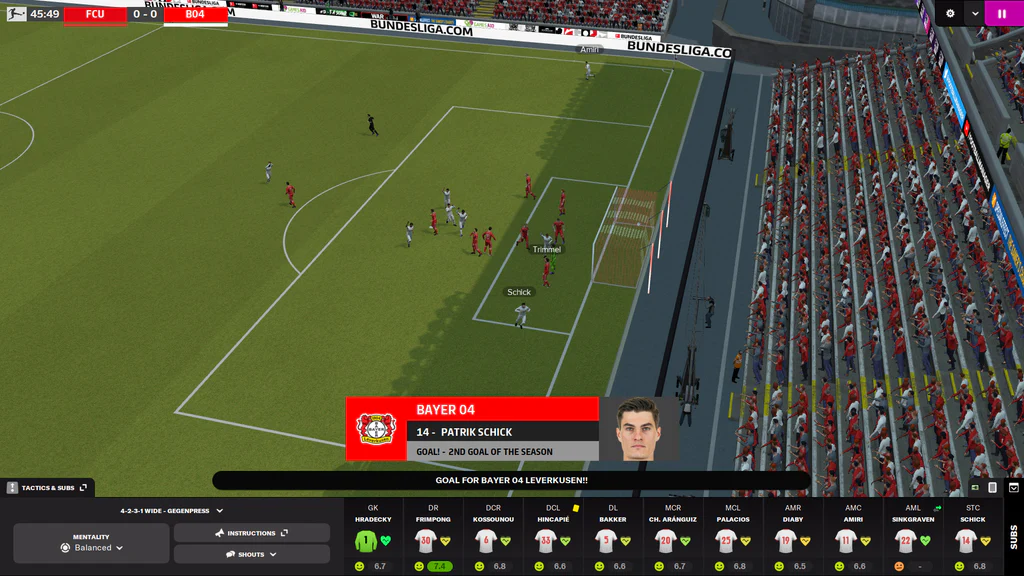
Interestingly, the role of an association football manager has also gained popularity through video games and simulations. Games like Football Manager allow fans to step into the shoes of a manager and experience the challenges firsthand.
These simulations include:
- Tactical planning
- Player transfers
- Match analysis
- Club management
While virtual management isn’t as intense as real-life football, it offers valuable insight into the complexity of the role.
Famous Association Football Managers
Over the years, several managers have left a lasting impact on the sport. Their philosophies and achievements have shaped modern football.
Notable Names
- Sir Alex Ferguson – Known for long-term success and leadership
- Pep Guardiola – Master of possession-based football
- José Mourinho – Tactical genius with a winning mentality
- Jürgen Klopp – High-energy, pressing football innovator
Each of these figures has redefined what it means to be an association football manager, proving that there’s no single path to success.
Skills Required to Become a Football Manager
If you’re dreaming of becoming an association football manager, you’ll need a mix of technical knowledge and personal qualities.
Key Skills Include:
- Deep understanding of football tactics
- Leadership and communication abilities
- Analytical thinking
- Adaptability and resilience
Most professional managers also obtain coaching licenses and gain experience through lower-level teams before reaching the top.
The Future of Football Management
The role of the association football manager continues to evolve. With advancements in technology and analytics, managers now rely on data-driven decisions more than ever.
Emerging Trends
- Use of AI and performance analytics
- Focus on player wellness and recovery
- Tactical flexibility and innovation
- Increased global scouting networks
As football grows, so does the complexity of management. The future promises even more exciting developments in this field.
FAQs
1. What does an association football manager do?
An association football manager oversees team tactics, player selection, training, and overall club performance. They are responsible for both on-field and off-field decisions.
2. Is a football manager the same as a coach?
Not exactly. While a coach focuses mainly on training, a manager has broader responsibilities, including transfers, tactics, and team management.
3. How do you become a football manager?
Most managers start as players or coaches, earn coaching licenses, and gain experience by managing smaller teams before progressing to higher levels.
4. Why are football managers important?
They shape team strategy, motivate players, and make crucial decisions that directly impact results and success.
5. Can football managers be fired easily?
Yes, due to high expectations, managers often face job insecurity and can be dismissed after poor performance.
Conclusion
The role of an association football manager is one of the most dynamic and demanding positions in sports. It requires a unique blend of tactical intelligence, leadership, and resilience. From designing winning strategies to managing personalities and handling pressure, managers are the backbone of any successful football team.
As the game continues to evolve, so too will the responsibilities of managers. One thing, however, remains constant—their influence on the beautiful game is undeniable. Whether on the touchline or behind the scenes, the association football manager will always play a pivotal role in shaping football’s future.
 PerformancerearendsEditorialTeam