

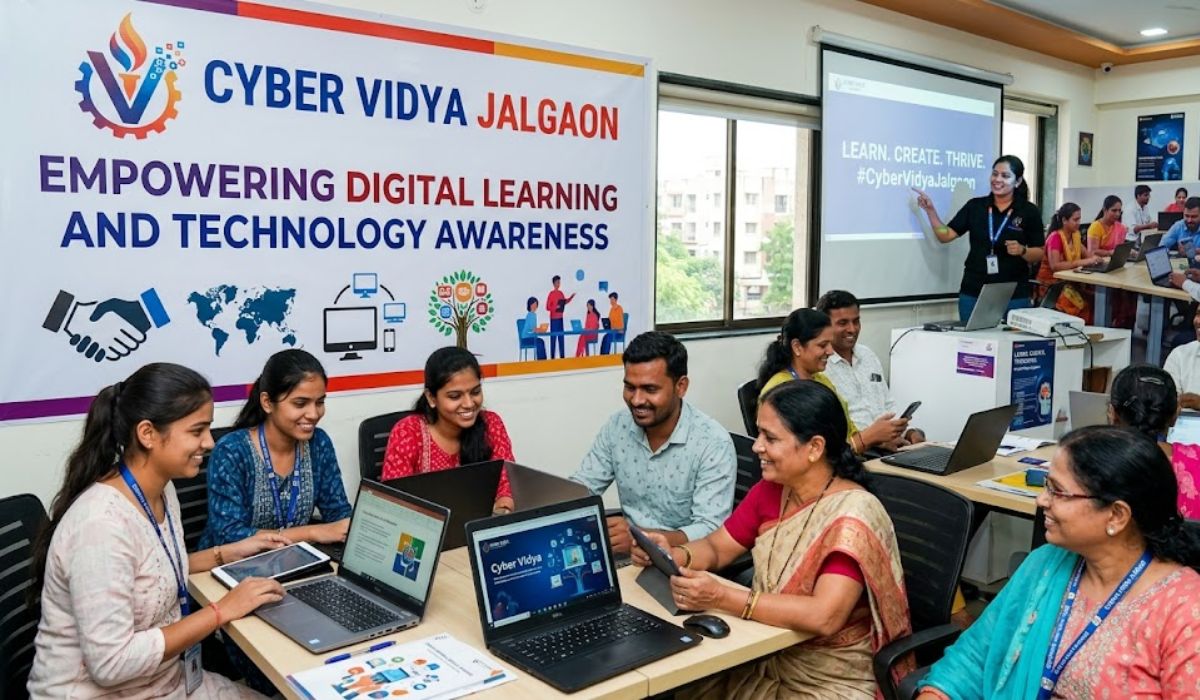
Cyber Vidya Jalgaon represents the growing emphasis on digital learning, cyber awareness, and skill development. It reflects the importance of providing accessible technology education that empowers learners to adapt to changing industry demands. By encouraging digital competence, such initiatives contribute to stronger communities and a more knowledgeable workforce.
The digital revolution has transformed the way people learn, communicate, and build careers. Across educational institutions, businesses, and communities, technology has become a fundamental part of everyday life. As digital tools continue to evolve, the need for practical technology education and cyber awareness has grown significantly. Individuals now require more than basic computer knowledge to succeed in modern environments.
Educational initiatives focused on digital literacy are helping bridge the gap between traditional learning and technological advancement. These programs aim to equip students and professionals with the skills needed to navigate an increasingly connected world. From understanding online safety to mastering software applications, technology education creates opportunities for personal and professional growth.
The Importance of Digital Education in Modern Society
Digital education has become one of the most valuable tools for preparing individuals for future opportunities. Traditional learning methods remain important, but technology-enhanced education provides flexibility, accessibility, and access to a vast range of resources. Students can learn new concepts through interactive platforms, multimedia content, and collaborative online environments.
The modern workplace increasingly depends on digital tools and communication technologies. Employers seek candidates who understand computer systems, online collaboration, and data management. As industries continue to digitize operations, employees with strong technical skills often have greater career opportunities and adaptability.
Beyond employment benefits, digital education promotes lifelong learning. Individuals can continuously upgrade their knowledge, explore new fields, and stay informed about technological developments. This culture of continuous learning supports innovation and helps societies remain competitive in a rapidly evolving global economy.
Understanding Cyber Awareness and Online Safety
Cyber awareness is an essential component of digital literacy. As people spend more time online, they face various security risks, including phishing attacks, identity theft, malware, and data breaches. Understanding these threats helps individuals protect their personal information and maintain safe online practices.
One of the most effective ways to improve cyber security is through education. Learners who understand strong password practices, secure browsing habits, and safe communication methods are better prepared to recognize potential risks. Awareness programs help users identify suspicious activities before they become serious problems.
Organizations and educational institutions also benefit from cyber awareness initiatives. When employees and students understand security protocols, the likelihood of accidental breaches decreases significantly. Creating a culture of cyber responsibility strengthens overall digital safety and contributes to a more secure online environment.
Building Technical Skills for the Future
Technology continues to reshape industries across the world. From healthcare and finance to manufacturing and education, digital systems influence nearly every sector. Developing technical skills allows individuals to participate effectively in these changing environments and remain relevant in the job market.
Learning technical skills involves more than understanding software applications. It includes problem-solving, analytical thinking, digital communication, and adaptability. These competencies help individuals tackle complex challenges and contribute meaningfully to their organizations and communities.
Educational programs that focus on practical skill development often provide hands-on experiences. Learners gain confidence by applying theoretical knowledge to real-world scenarios. This combination of knowledge and practice enhances understanding and prepares participants for professional responsibilities.
The Role of Technology Training in Career Development
Career growth often depends on an individual’s ability to adapt to technological changes. As businesses implement new systems and digital tools, workers must continuously improve their skills to remain competitive. Technology training provides a pathway for professional advancement and increased employability.
Many employers value candidates who demonstrate technical proficiency and a willingness to learn. Certifications, specialized training programs, and practical experience can distinguish applicants in competitive job markets. Individuals who invest in skill development often gain access to broader career opportunities and higher earning potential.
Technology training also encourages entrepreneurial thinking. People with digital skills can create online businesses, offer specialized services, and explore innovative solutions to market challenges. This entrepreneurial mindset supports economic growth and encourages creativity across industries.
Digital Literacy and Community Development
Digital literacy extends beyond individual success. Communities benefit when residents possess the skills needed to access information, communicate effectively, and participate in digital services. Increased digital competence can improve education, healthcare access, financial inclusion, and civic engagement.
Community-based learning initiatives help reduce technological barriers. By providing accessible education and training opportunities, these programs enable individuals from diverse backgrounds to participate in the digital economy. Inclusive learning environments contribute to social and economic progress.
Technology-aware communities are often better prepared to address modern challenges. Residents can access online resources, collaborate on local projects, and engage with government services more efficiently. This improved connectivity supports stronger relationships and enhances community resilience.
Encouraging Innovation Through Technology Education
Innovation thrives when individuals have access to knowledge and resources. Technology education encourages creative thinking by exposing learners to new tools, concepts, and problem-solving approaches. Students and professionals can experiment with ideas and develop innovative solutions to real-world challenges.
Educational environments that promote innovation often emphasize collaboration and critical thinking. Learners are encouraged to explore possibilities, test assumptions, and refine their ideas through practical application. This process builds confidence and strengthens analytical skills.
Innovation contributes to economic growth and societal progress. New technologies, services, and business models emerge when skilled individuals apply their knowledge creatively. By fostering a culture of innovation, educational initiatives help prepare future leaders and problem-solvers.
The Growing Demand for Cyber Security Knowledge
As digital transformation accelerates, cyber security has become a priority for organizations worldwide. Businesses, educational institutions, and government agencies must protect sensitive information from increasingly sophisticated threats. This growing demand has created numerous opportunities for individuals with cyber security expertise.
Cyber security knowledge encompasses various areas, including network protection, risk management, incident response, and data security. Professionals in this field play a critical role in safeguarding digital infrastructure and maintaining organizational trust. Their work supports operational continuity and regulatory compliance.
Educational programs that introduce cyber security concepts help create a stronger talent pipeline. Learners gain awareness of industry challenges and develop foundational skills that can lead to specialized career paths. This preparation is essential as the need for qualified cyber security professionals continues to expand.
Preparing Students for a Digital Future
Students entering today’s educational systems will likely encounter careers that rely heavily on technology. Preparing them for this future requires more than traditional academic instruction. Digital competence, adaptability, and critical thinking have become essential skills for success.
Technology-based learning environments expose students to modern tools and collaborative experiences. They learn how to research information, communicate effectively, and solve problems using digital resources. These experiences help develop confidence and independence.
Early exposure to technology education can also inspire interest in science, technology, engineering, and mathematics fields. Students who develop technical skills at a young age often pursue advanced learning opportunities and contribute to innovation throughout their careers.
Challenges and Opportunities in Digital Learning
While digital learning offers many advantages, it also presents challenges. Access to technology, internet connectivity, and digital resources can vary significantly among individuals and communities. Addressing these disparities is essential for creating equitable learning opportunities.
Another challenge involves maintaining engagement and motivation in digital environments. Effective educational programs must balance technology use with interactive experiences, practical activities, and personalized support. This approach helps learners remain focused and achieve meaningful outcomes.
Despite these challenges, digital learning continues to create valuable opportunities. Advances in educational technology provide new ways to deliver content, assess progress, and support learners. As these tools improve, they will continue to enhance educational experiences and expand access to knowledge.
The Future of Technology Education
The future of technology education will likely be shaped by emerging innovations such as artificial intelligence, cloud computing, automation, and advanced cyber security solutions. Educational programs must evolve continuously to keep pace with these developments and prepare learners for changing workforce requirements.
Future learning environments may become more personalized and adaptive. Technology can help identify individual learning needs and provide customized educational experiences. This approach supports improved outcomes and encourages deeper engagement with educational content.
Organizations focused on digital education and cyber awareness will play an increasingly important role in preparing future generations. By fostering technical competence, innovation, and responsible technology use, they contribute to sustainable growth and long-term success in a digital world.
Conclusion
Technology has become an integral part of modern life, influencing education, employment, communication, and community development. As digital transformation continues, the importance of technology education and cyber awareness will only increase. Individuals who develop these skills are better positioned to succeed in evolving environments.
Cyber Vidya Jalgaon highlights the growing need for accessible digital learning opportunities and practical technology education. Through skill development, cyber awareness, and innovation-focused learning, individuals can build stronger foundations for personal and professional growth.
Investing in digital literacy benefits not only learners but also communities and organizations. By promoting knowledge, responsibility, and adaptability, technology education helps create a future where people can confidently navigate the opportunities and challenges of an increasingly connected world.