

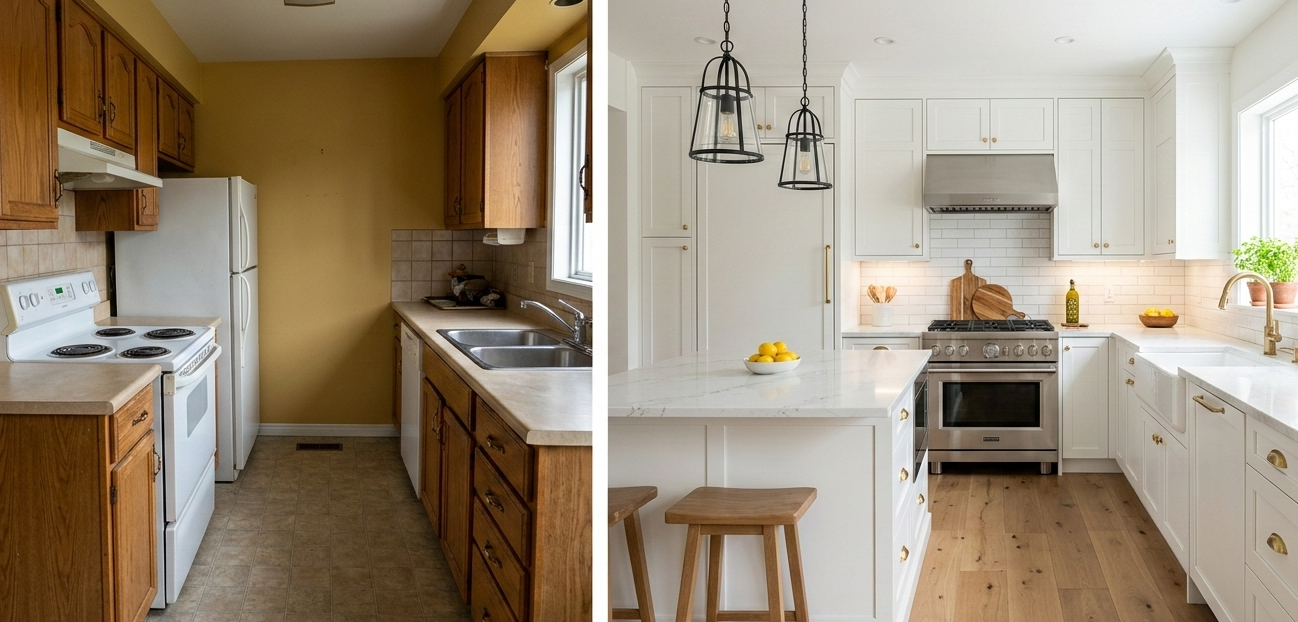
Let’s be honest—kitchen remodeling isn’t just about swapping out cabinets or installing shiny new countertops. It’s about reinventing the heart of your home. The kitchen is where early-morning coffees happen, where families gather after long days, and where memories are cooked up alongside meals. So when it starts feeling outdated, cramped, or inefficient, it can affect your whole living experience.
Whether you’re planning a full-scale renovation or just dipping your toes into minor upgrades, this comprehensive guide will walk you through everything you need to know about kitchen remodeling. From budgeting and layout planning to material selection and common mistakes to avoid, we’ve got you covered.
Let’s roll up our sleeves and get started.
Why Kitchen Remodeling Is Worth the Investment
Kitchen remodeling consistently ranks among the top home improvement projects for return on investment. But beyond resale value, the real reward lies in functionality and lifestyle enhancement.
1. Increased Home Value
A well-designed kitchen can significantly boost your property’s market appeal. Buyers often prioritize kitchens when evaluating homes, and a modern, functional design can make your property stand out.
2. Improved Functionality
Older kitchens may lack storage, counter space, or proper lighting. Remodeling allows you to redesign the layout to better fit your needs—whether that means adding a pantry, expanding countertops, or upgrading appliances.
3. Enhanced Energy Efficiency
Replacing old appliances with energy-efficient models reduces utility bills and environmental impact. LED lighting, water-saving faucets, and modern insulation all contribute to long-term savings.
4. Aesthetic Appeal
Sometimes, you just need a fresh look. Outdated cabinets, faded countertops, and worn flooring can drag down the entire room. A remodel brings renewed beauty and cohesion.
Planning Your Kitchen Remodeling Project
Before you swing a hammer or order custom cabinets, careful planning is essential. A well-thought-out plan saves time, money, and headaches.
Step 1: Define Your Goals
Ask yourself:
Do you need more storage?
Is the layout inefficient?
Are appliances outdated?
Is the style no longer appealing?
Knowing your priorities will guide every decision.
Step 2: Set a Realistic Budget
Kitchen remodeling costs can vary dramatically depending on size, materials, and scope. Establish a clear budget that includes:
Cabinets
Countertops
Appliances
Flooring
Plumbing and electrical
Labor
Unexpected expenses (set aside 10–20%)
Avoid stretching yourself too thin financially. It’s better to prioritize essential upgrades than overspend on luxury features you don’t truly need.
Step 3: Choose the Right Layout
The layout determines how functional your kitchen will be. Popular configurations include:
L-Shaped Kitchen
Ideal for open spaces, offering flexibility and efficient workflow.
U-Shaped Kitchen
Great for maximizing storage and counter space.
Galley Kitchen
Perfect for smaller homes; efficient but can feel narrow.
Island Kitchen
Adds extra workspace, storage, and seating.
The classic “kitchen work triangle” (sink, stove, refrigerator) should remain practical and unobstructed.
Designing the Perfect Kitchen
Design is where practicality meets personality. This stage of kitchen remodeling allows you to create a space that reflects your taste while serving your needs.
Cabinets: The Backbone of Your Kitchen
Cabinets typically account for a large portion of remodeling costs.
Options include:
Stock cabinets (budget-friendly)
Semi-custom cabinets (more flexibility)
Custom cabinets (tailored design)
Material choices range from solid wood and plywood to MDF and laminate. Consider durability, maintenance, and style.
Countertops: Beauty Meets Durability
Popular materials include:
Quartz (low maintenance and durable)
Granite (natural beauty)
Marble (luxurious but requires care)
Laminate (budget-friendly option)
Butcher block (warm and rustic look)
Each material has pros and cons in terms of cost, maintenance, and longevity.
Flooring: Foundation Matters
Kitchen floors must handle heavy foot traffic and occasional spills.
Common choices:
Ceramic or porcelain tile
Hardwood
Vinyl plank
Laminate
Natural stone
Durability and water resistance should guide your decision.
Lighting: The Secret Ingredient
Lighting often gets overlooked, but it plays a crucial role in kitchen remodeling.
Types of Lighting
Ambient Lighting – Overall room illumination
Task Lighting – Focused light for cooking and prep areas
Accent Lighting – Decorative and aesthetic highlights
Under-cabinet lights, pendant fixtures over islands, and recessed ceiling lights can dramatically elevate the space.
Appliances: Function First
Modern appliances combine sleek design with efficiency.
When choosing appliances:
Prioritize energy efficiency ratings
Measure carefully to avoid fitting issues
Match finishes for cohesive aesthetics
Stainless steel remains a popular choice, but matte black and panel-ready options are gaining traction.
Storage Solutions That Make Life Easier
One of the main goals of kitchen remodeling is better organization.
Smart Storage Ideas
Pull-out pantry shelves
Lazy Susans for corner cabinets
Deep drawers for pots and pans
Vertical tray storage
Built-in spice racks
Every inch counts. Clever storage solutions reduce clutter and increase usability.
Hiring Professionals vs. DIY
Should you tackle the project yourself or hire experts?
DIY Pros:
Lower labor costs
Personal satisfaction
Full creative control
DIY Cons:
Risk of mistakes
Time-consuming
Limited expertise
Professional contractors bring experience, efficiency, and knowledge of building codes. For plumbing, electrical, and structural changes, hiring licensed professionals is strongly recommended.
Common Kitchen Remodeling Mistakes to Avoid
Even the best plans can go sideways if you’re not careful.
1. Ignoring Workflow
A beautiful kitchen that doesn’t function well is frustrating. Always prioritize efficiency.
2. Skimping on Storage
You’ll regret not adding enough cabinets or drawers.
3. Overlooking Ventilation
A quality range hood prevents odors and smoke from lingering.
4. Choosing Style Over Substance
Trendy designs may fade. Opt for timeless elements with subtle modern touches.
5. Forgetting About Electrical Outlets
Plan for enough outlets for appliances, chargers, and gadgets.
Timeline: How Long Does Kitchen Remodeling Take?
The duration depends on the project scope:
Minor remodel: 3–6 weeks
Major remodel: 8–12 weeks or longer
Delays can occur due to supply chain issues, design changes, or unforeseen structural problems. Planning ahead minimizes surprises.
Sustainable and Eco-Friendly Options
More homeowners are embracing environmentally conscious kitchen remodeling.
Green Choices Include:
Energy-efficient appliances
Recycled countertops
LED lighting
Low-VOC paints
Sustainable wood cabinetry
These options reduce environmental impact and may qualify for incentives in certain areas.
Open Concept vs. Closed Kitchen
Open-concept kitchens remain popular, especially in modern homes. They create a sense of space and encourage social interaction. However, closed kitchens provide privacy and help contain noise and cooking odors.
Your choice depends on lifestyle, home layout, and personal preference.
Budget Breakdown Example
Here’s a rough estimate for a mid-range kitchen remodeling project:
Cabinets: 30–40%
Labor: 20–30%
Appliances: 10–20%
Countertops: 10–15%
Flooring: 5–10%
Lighting & Fixtures: 5%
Always keep a contingency fund.
How to Prepare for the Remodel
Living without a kitchen—even temporarily—can be challenging.
Preparation Tips:
Set up a temporary cooking space
Store essentials in accessible areas
Protect adjacent rooms from dust
Plan simple meals
Clear communication with contractors ensures smoother execution.
Final Inspection and Quality Check
Before signing off on your kitchen remodeling project:
Inspect cabinets and drawers
Test appliances
Check plumbing for leaks
Ensure electrical outlets work
Examine finishes and paint
Address issues immediately to avoid long-term problems.
FAQs
1. How much does kitchen remodeling typically cost?
Costs vary widely depending on size, materials, and location. Minor remodels may cost several thousand dollars, while high-end renovations can reach significantly higher amounts.
2. Can I remodel my kitchen in phases?
Yes. Many homeowners tackle kitchen remodeling in stages—starting with cabinets and countertops, then appliances and flooring later.
3. Do I need permits for kitchen remodeling?
Permits may be required for electrical, plumbing, or structural changes. Check local building regulations before starting.
4. How can I save money on my remodel?
Refacing cabinets instead of replacing them, choosing mid-range materials, and keeping the existing layout can significantly reduce costs.
5. Is it better to hire a designer?
If your budget allows, a designer can help maximize space, prevent costly mistakes, and create a cohesive look.
6. What is the most expensive part of kitchen remodeling?
Cabinetry usually takes the largest portion of the budget.
7. How do I choose the right contractor?
Check credentials, read reviews, request references, and get detailed written estimates before signing a contract.
Conclusion
Kitchen remodeling isn’t just a construction project—it’s a lifestyle upgrade. It’s about crafting a space that reflects your personality, enhances functionality, and adds long-term value to your home. With thoughtful planning, smart budgeting, and careful material selection, you can transform your outdated kitchen into a space that feels brand new.
Take your time. Do your research. And remember—great kitchens aren’t built overnight. But when done right, they become the beating heart of your home for years to come.
Ready to reimagine your kitchen? Now’s the perfect time to start planning your dream transformation.
 PerformancerearendsEditorialTeam