

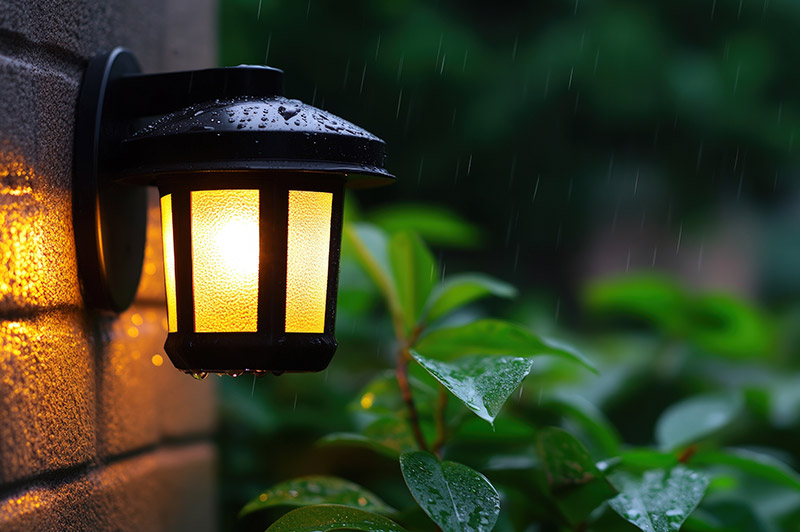
The transition of LED technology from simple indoor accent lighting to a cornerstone of modern architectural and industrial infrastructure has been nothing short of transformative. Today, we see lighting integrated into everything from bridge facades and maritime vessels to high-traffic public walkways. However, as the application of these systems expands into more volatile environments, the margin for error narrows. The primary challenge for any lighting professional is not just achieving a certain aesthetic, but ensuring that the system can withstand the relentless pressure of environmental stressors—specifically moisture and power fluctuations. When these two factors aren’t perfectly synchronized, even the most expensive installations can face premature failure.
The Science of Moisture Protection (IP65 – IP68)
In the world of resilient lighting, the Ingress Protection (IP) rating is the first line of defense. But understanding the rating is only half the battle; the physical anatomy of the protection matters just as much. A common misconception is that all “waterproof” strips are created equal. In reality, the construction varies significantly from simple silicone coatings and hollow tubes to full solid resin encapsulation. For projects involving direct exposure to rain or high humidity, a hollow silicone tube might suffice, but for any application involving submersion or high-pressure washdowns, a solid-core injection is mandatory.
Beyond moisture, UV resistance is a silent killer of outdoor LEDs. Inferior outer casings often yellow or become brittle after less than a year of sun exposure, which significantly degrades the light’s color temperature and lumen output. When evaluating a waterproof led strip wholesale partner, the focus should shift away from basic price points and toward material certifications like CE and RoHS. These certifications provide a baseline of assurance that the polymers used will maintain their clarity and flexibility over a multi-year lifecycle, regardless of the weather.
The Silent Backbone: Power Supply Integrity
If the LED strip is the face of the project, the power supply is its heart. The relationship between voltage stability and longevity is absolute; a flickering or inconsistent current is the fastest way to burn out high-density LED arrays. For large-scale installations, the choice often comes down to constant voltage versus constant current drivers. Most modern parallel-wired strips require a steady 12V or 24V output to ensure that the first meter of the run looks identical to the last.
A high-quality industrial driver does more than just convert AC to DC; it acts as a sophisticated surge protector. It should feature robust thermal management to dissipate heat effectively, preventing the internal components from cooking themselves in enclosed outdoor housings. Furthermore, for those managing large-scale procurement, looking into LED Power Supply Wholesale specifications is vital for ensuring global compatibility. This includes verifying electromagnetic interference (EMI) shielding and high power factor ratings, which ensure the system doesn’t interfere with other sensitive electronic equipment on-site while maximizing energy efficiency.
Common Pitfalls in High-Scale Installations
One of the most persistent technical hurdles in outdoor lighting is the “voltage drop” dilemma. As a run of LEDs grows longer, the resistance in the copper traces causes the voltage to dip, leading to noticeable dimming at the far end of the circuit. In an outdoor environment, this isn’t just an aesthetic issue; underpowered LEDs can sometimes behave erratically, leading to strobe effects or color shifting. To combat this, engineers often inject power at multiple points along the run or opt for 24V systems over 12V to reduce current draw and heat.
Another frequent point of failure isn’t the strip or the driver itself, but the connection points. “Waterproof” systems are only as strong as their weakest link, usually the end-caps and wire leads. Even an IP68-rated strip will fail if the soldered connections aren’t sealed with marine-grade heat shrink and silicone sealant. True system synergy requires that every component, from the driver to the final connector, is rated for the specific environment it will inhabit. Using an indoor-rated driver for a waterproof strip is a recipe for a short circuit during the first heavy rainfall.
Prioritizing System Synergy for Long-Term ROI
Taking the “long view” on return on investment means looking past the initial invoice and considering the cost of future maintenance. In the commercial and industrial sectors, the labor cost of sending a crew to replace a failed 5-meter section of lighting often exceeds the cost of the materials themselves. By prioritizing high-grade components that are designed to work in tandem, you effectively eliminate the “random” failures that plague poorly planned systems.
Before finalizing a large-scale order, a technical checklist is essential. Ensure that the Color Rendering Index (CRI) meets the specific needs of the space, confirm the IP rating matches the highest possible exposure level, and verify that the power factor of your drivers is optimized for the total load. When these technical specifications are treated as non-negotiable standards rather than optional upgrades, the result is a lighting system that remains as vibrant and reliable five years later as it was on the day of commission. Balancing the physical protection of the light with the electrical stability of the source is the only proven way to master the challenges of the modern outdoor environment.