

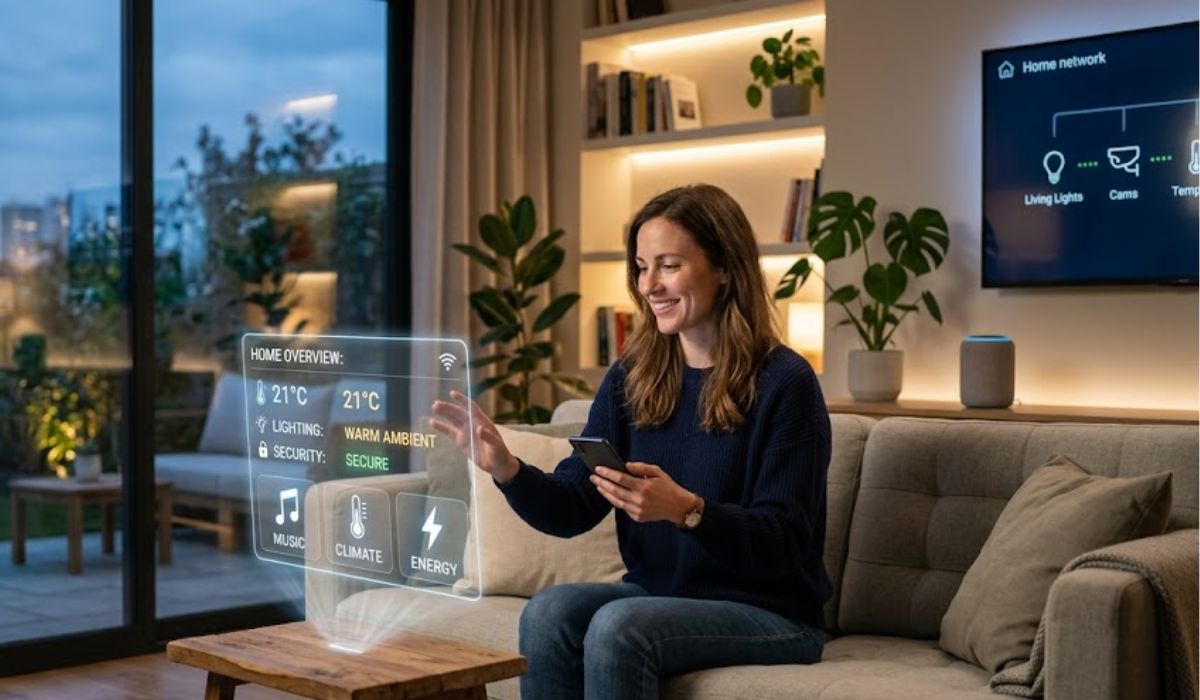
The digital world constantly introduces new concepts that capture attention and generate curiosity. Among the latest emerging terms, Xunzercino has become a topic of discussion across technology communities, smart home enthusiasts, and productivity-focused users. Unlike many trends that appear briefly and disappear, this concept has attracted sustained interest because it touches multiple aspects of modern digital life. From automation and privacy to efficiency and personalization, it represents a new perspective on how technology can better serve people.
Many individuals who encounter the term for the first time discover conflicting explanations. Some describe it as a software framework designed to improve device communication. Others present it as a methodology for managing digital environments more intelligently. There are also interpretations that connect it to productivity systems and lifestyle optimization. While these descriptions vary, they all point toward a common idea: creating more meaningful and efficient interactions between people and technology.
As smart homes become increasingly common, users are seeking solutions that offer convenience without sacrificing privacy or control. Traditional systems often depend heavily on cloud services and centralized management. The emergence of xunzercino reflects growing demand for technology that operates intelligently, respects user preferences, and adapts naturally to daily routines. Understanding this concept provides valuable insight into the future direction of connected living.
The Core Philosophy Behind Xunzercino
At its foundation, xunzercino is built around the idea that technology should adapt to people rather than forcing people to adapt to technology. Many digital systems require extensive configuration, constant updates, and ongoing attention from users. This approach often creates complexity instead of convenience. The philosophy behind this emerging concept seeks to eliminate unnecessary friction and create seamless digital experiences.
A major principle within this framework is contextual awareness. Instead of relying solely on predefined commands, systems are designed to understand situations and respond appropriately. For example, a smart environment may recognize patterns related to occupancy, time of day, environmental conditions, and user preferences. By interpreting context, technology becomes more responsive and less dependent on manual intervention.
Another key element is simplicity. Modern consumers often feel overwhelmed by the growing number of devices and applications they must manage. The philosophy associated with xunzercino encourages integration rather than fragmentation. The goal is to create ecosystems where devices communicate naturally, reducing complexity while enhancing functionality. This user-centered mindset contributes significantly to the concept’s increasing popularity.
How Xunzercino Works in Smart Home Environments
Smart homes traditionally rely on connected devices that respond to commands issued through mobile applications or voice assistants. While these systems provide convenience, they often require active management. Xunzercino introduces a different approach by emphasizing intelligent automation that operates based on environmental understanding rather than direct user instructions.
In practice, this means connected devices can work together more effectively. Lighting systems, climate controls, security components, entertainment platforms, and appliances exchange information to create coordinated responses. Instead of functioning as isolated products, they become part of an integrated digital ecosystem that continuously adapts to household conditions.
The effectiveness of this approach depends on real-time data processing and intelligent decision-making. Information gathered from sensors, user behaviors, and environmental inputs allows the system to make informed adjustments. These adaptations occur quietly in the background, enabling a more comfortable and efficient living environment while minimizing user effort.
Contextual Awareness and Intelligent Automation
One of the defining characteristics of xunzercino is its emphasis on contextual awareness. Traditional automation often relies on rigid rules. For example, lights may turn on at a specific time or thermostats may adjust according to a fixed schedule. While useful, such automations cannot easily account for unexpected changes in routine.
Contextual awareness introduces greater flexibility. Systems analyze multiple variables simultaneously, including movement, occupancy, weather conditions, energy consumption patterns, and historical user behavior. This broader understanding allows technology to make more accurate decisions that reflect real-world situations rather than predetermined assumptions.
As a result, automation becomes more natural and effective. Instead of requiring constant adjustments, the system continuously learns from interactions and adapts accordingly. This capability enhances convenience while reducing the need for repetitive configuration and maintenance, making smart environments more intuitive and user-friendly.
Privacy and Local-First Technology
Privacy concerns have become one of the most important topics in modern technology discussions. Many smart devices depend on cloud-based services that process data on remote servers. While this model offers certain advantages, it also raises questions regarding security, data ownership, and user control. Xunzercino addresses these concerns through a local-first philosophy.
A local-first approach prioritizes processing information within the user’s environment whenever possible. Data remains closer to the source rather than being transmitted continuously to external servers. This design reduces exposure to potential security risks while giving users greater control over personal information and digital activities.
The benefits extend beyond privacy alone. Local processing often improves responsiveness because decisions can be made without waiting for cloud communication. Faster performance, reduced latency, and enhanced reliability contribute to a more seamless experience. As consumers become increasingly aware of digital privacy issues, this focus on local-first operation represents a major advantage.
Productivity Beyond the Smart Home
Although often associated with smart home technology, xunzercino extends into the broader realm of digital productivity. Modern professionals manage numerous devices, applications, and information sources throughout the day. The challenge lies in maintaining efficiency without becoming overwhelmed by constant notifications and digital interruptions.
This framework encourages the creation of intelligent workflows that minimize unnecessary tasks. Instead of requiring users to switch repeatedly between applications and platforms, systems work together to automate routine processes. Information moves more efficiently between tools, reducing manual effort and improving productivity.
The emphasis on context also supports better decision-making. By understanding user priorities, schedules, and work patterns, digital systems can present relevant information at appropriate times. This approach helps individuals remain focused on meaningful tasks while reducing distractions that commonly impact productivity.
Advantages Over Traditional Smart Systems
Traditional smart home platforms provide valuable functionality but often face limitations related to interoperability, complexity, and user dependence. Many systems require extensive setup procedures and ongoing maintenance to function effectively. Xunzercino addresses these challenges through a more integrated and adaptive approach.
One significant advantage is improved interoperability. Devices from different manufacturers frequently struggle to communicate effectively. A framework focused on seamless interaction reduces compatibility issues and creates a more unified user experience. This integration enhances convenience while expanding overall system capabilities.
Another advantage involves adaptability. Traditional systems rely heavily on predefined settings and user commands. In contrast, context-aware technologies continuously refine their behavior based on real-world conditions and user preferences. This ability to evolve over time increases effectiveness and reduces the burden placed on users.
Energy Efficiency and Resource Optimization
Energy management has become a priority for households seeking to reduce costs and environmental impact. Smart technologies already contribute to improved efficiency, but xunzercino introduces more sophisticated methods of resource optimization. By understanding behavioral patterns and environmental conditions, systems can make smarter decisions regarding energy usage.
For example, heating and cooling systems can adjust automatically based on occupancy and weather forecasts. Lighting controls can respond dynamically to natural daylight availability and room usage. These intelligent adjustments reduce unnecessary consumption without compromising comfort or convenience.
Beyond individual devices, the broader ecosystem works collaboratively to maximize efficiency. Energy-intensive activities can be scheduled during optimal periods, while monitoring tools provide insights into consumption patterns. This comprehensive approach helps users achieve greater sustainability while lowering operational expenses.
The Role of Artificial Intelligence
Artificial intelligence plays an important role in enabling many of the capabilities associated with xunzercino. AI technologies support pattern recognition, predictive analysis, and adaptive learning. These functions allow systems to understand user behavior and respond intelligently to changing circumstances.
Machine learning algorithms analyze historical data to identify recurring trends and preferences. Over time, the system develops a deeper understanding of household routines, work schedules, and environmental conditions. This knowledge improves automation accuracy and enhances overall user experience.
Importantly, artificial intelligence within this framework serves as an assistant rather than a replacement for user control. Individuals retain the ability to customize settings and override automated decisions when necessary. The objective is to enhance convenience while maintaining transparency and trust.
Challenges and Considerations
Despite its advantages, the adoption of xunzercino is not without challenges. Implementing highly integrated systems requires careful planning and compatibility considerations. Users may encounter difficulties when incorporating older devices that lack support for advanced communication protocols and automation features.
Another challenge involves balancing automation with personal preferences. While intelligent systems can learn behaviors and anticipate needs, excessive automation may occasionally produce outcomes that users find unexpected or undesirable. Achieving the right balance requires thoughtful design and ongoing refinement.
Cost considerations also influence adoption. Advanced smart home technologies often involve significant initial investments. However, long-term benefits related to efficiency, convenience, and resource management may offset these expenses over time. As technology continues to evolve, accessibility is expected to improve further.
Future Potential of Xunzercino
The future of xunzercino appears closely connected to broader developments in artificial intelligence, edge computing, and connected devices. As these technologies mature, contextual awareness and intelligent automation will become increasingly sophisticated. Future systems may anticipate needs with greater accuracy while offering deeper personalization.
Advancements in interoperability standards will likely expand compatibility across diverse devices and platforms. This progress could reduce fragmentation within the smart home industry and encourage wider adoption of integrated digital ecosystems. Improved communication between devices will unlock new possibilities for automation and efficiency.
The concept may also extend beyond residential environments. Commercial buildings, healthcare facilities, educational institutions, and industrial operations could benefit from context-aware systems that optimize resources and enhance user experiences. The underlying principles have applications across numerous sectors and use cases.
Why Xunzercino Is Gaining Attention
The growing popularity of xunzercino reflects broader shifts in consumer expectations. People increasingly seek technology that delivers convenience without compromising privacy, security, or control. Traditional solutions often require users to choose between functionality and personal autonomy. This emerging approach attempts to provide both.
Another factor driving interest is the increasing complexity of digital ecosystems. As households adopt more connected devices, the need for seamless coordination becomes more apparent. Technologies that simplify management while enhancing functionality naturally attract attention from consumers and industry professionals alike.
Additionally, awareness of privacy issues continues to grow. Users want greater transparency regarding how data is collected, stored, and utilized. The local-first principles associated with this concept align closely with these evolving expectations, making it particularly relevant in today’s technology landscape.
Conclusion
Xunzercino represents more than a single product, application, or platform. It embodies a broader vision for the future of technology—one where digital systems operate intelligently, respect privacy, and integrate seamlessly into daily life. By emphasizing contextual awareness, local-first processing, and adaptive automation, it addresses many of the limitations associated with traditional smart environments.
Its influence extends beyond smart homes into productivity, resource management, and personalized digital experiences. As artificial intelligence and connected technologies continue to advance, the principles behind this concept are likely to become increasingly important. Users can expect smarter, more responsive systems that reduce complexity while improving convenience.
The continued interest surrounding xunzercino highlights a growing demand for technology that works naturally and efficiently in the background. Rather than requiring constant attention, future systems will focus on understanding human needs and responding accordingly. This evolution marks an important step toward creating digital environments that are truly designed around people.
 admin
admin